On her ride back home from the airport, after three years of comfortable living abroad, the new wall that was built at the entrance of the neighborhood accompanied her. She could not see past it, and it stayed there, a grey, solemn slab of concrete looming after another, for about twenty seconds. But she thought that it lasted more than that, for a feeling of slight suffocation came over her. She missed seeing and tasting the loquat tree in her neighbor’s yard, but she could not see it, even when she stretched her neck upwards.
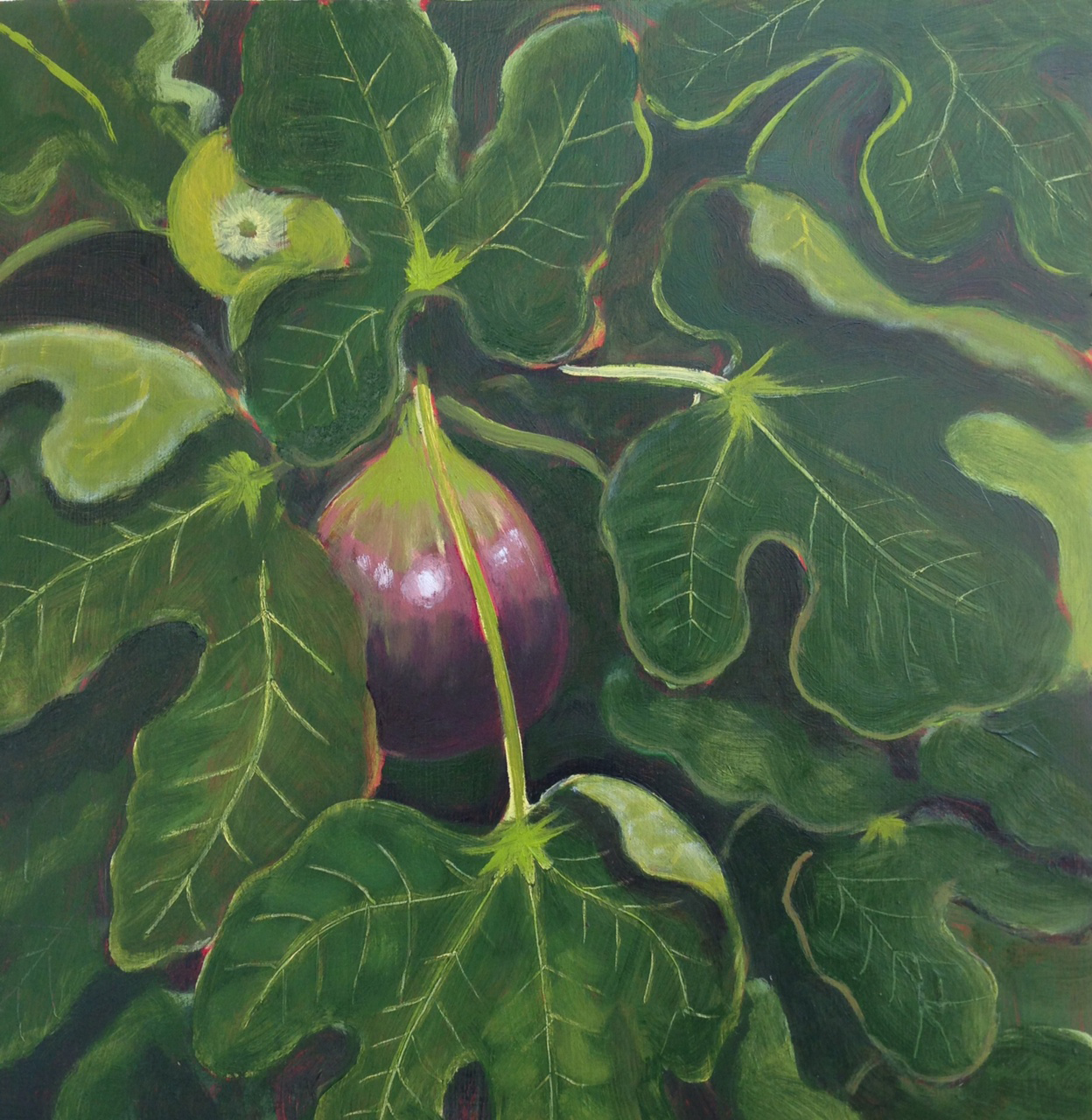
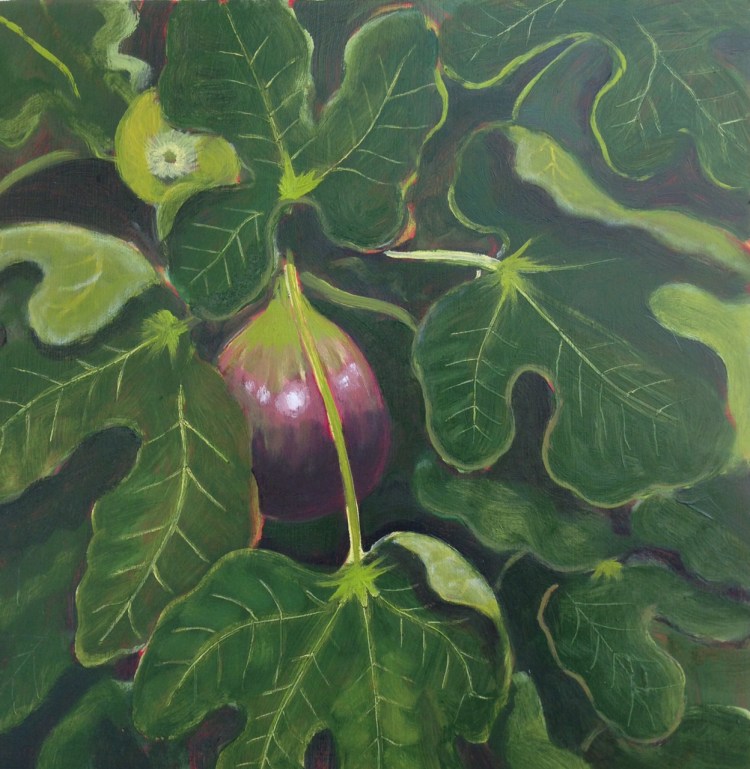
Her expectations amounted to a nice plate of Dwali, maybe Dwali that her grandmother made, which is even better. After the wall surrendered to greater gravity, and it opened up to the street branching to the right, another wall begun. This one was shorter and older, because she remembers her many adventures when she was young; she climbed this wall to reach the top part of the fig tree before her older brother took hold of the sweet, soft figs. But now the fig tree was gone and she could still taste the sweetness on an August nights, after breaking the fasts of Ramadan, when her uncle would pick some and bring it over to the big table. And she can feel the burn in her eyes, when one day she was picking figs and she didn’t listen to her mother’s voice telling her not to itch her eyes, because the white “milky” thing that the figs exude when pulled off violently, burns. Moreover, she has noticed that the three cinder blocks that were situated at the end of the wall, to help the kids climb it, were still there.
Her expectations were lavishly met, and even exceeded. Her grandmother had made Dwali, and her cousins were there. Even though they kept staring at her slender, muscled form, she was enjoying her time. She has changed. Dwali is a Mediterranean famous dish, mainly in the Levant and Asia Minor. Dwali is stuffing vine leaves with rice and meat and cooking them for a quite a while. It is delicious, especially when the Dwali pieces are soft, almost falling apart, and drenched in olive oil. They tasted just like she has imagined. She wanted to share this sensation with him, when they were in her flat three months ago, on a cold February night. She made Dwali but it did not taste the same. He would have loved it, she thought, sucking on her last bite indulgently.
She has promised herself that she would stop having expectations. Precisely on that February night, when it was cold and gloomy. She called him and invited him for dinner, and the news of him coming over made her a bit less sad. She was sad because it was cold and gloomy. But not only that, she was sad because it was that Phase. the Phase when a sudden, unexplained sadness overwhelms her and meaning is suspended and death feels like salvation. It was the Phase when people seem distant, even the closest ones to her, and time is infinite. It is when the sunset makes her cry, and she feels that she believes in God. She wants to feel that she believes in God. It does not happen often but she understands herself well enough to recognize it when it comes. That night he came, and they ate Dwali, he loved it and he thanked her with a delicious kiss, that was long but not too long. She likes to clean the dishes right away, so she approaches the sink ready for the battle with few dishes, through which she will ruminate about him and about future, which constitutes the biggest battle. He gently touched her and asked her to take some rest, she has made the food after all. She wanted to insist and help him, because if she is left with her thoughts, she will not win the battle. But he insisted, gently, and she succumbed. Yet this small act of kindness has planted a seed of frustration with him: why does he have to be so nice?
That night precisely, she dropped her expectation that he will be her partner in life. It was not something major that contributed to such a major decision, but it rather was impulsive and abrupt, just like a poetic image that haunts her until she jots it down in her blue notebook. He held her in his arms, and she felt safe. She felt safe enough to share with him her sadness. Caressing his hands, she said: How are you?. I’m great. And you?. She paused then answered: I’m fine. more silence, as Erik Satie’s Gymnopédie No.1 was playing in the background. Okay she will do it. Actually no, I’m not okay. I am sad. And of all the things he could’ve said, he inquired, like an Israeli officer in the airport, Why? and she almost choked. She wanted to tell him that her sadness is unexplained and unfathomable. Because I am, she answered. He hugged her tight and apologized, after he sensed the agitation in her voice. In retrospect, she thinks that her decision was unconscious and it lurked into the conscious realm quite surreptitiously, because they lasted for another month and seventeen days before it all fell apart, just like an overcooked Dwali piece.
When she turned her head to the left, her aunt asked touching her arm quite violently: why you have lost some weight, why are you so thin?
Because I am.
She is home and she is is.

 AICHA BINT YUSIF